Article Summary
A car seat cover is more than a decorative accessory. It plays a practical role in protecting original upholstery, improving seating comfort, and maintaining vehicle value over time. This article explains how a well-designed car seat cover addresses common user concerns such as wear, stains, heat buildup, hygiene, and long-term durability. It also provides a structured overview of product specifications, usage scenarios, and common questions to help buyers make informed decisions.
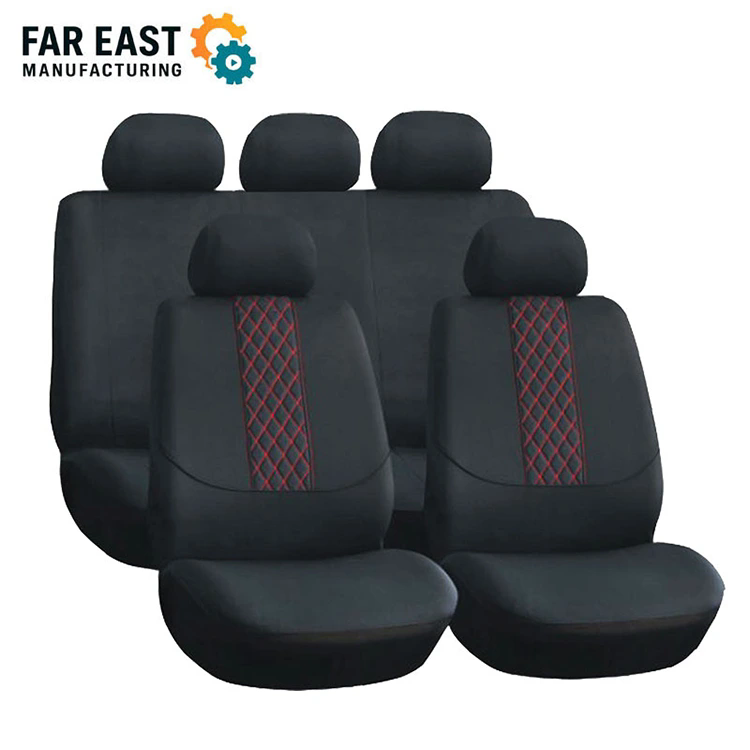
Table of Contents
- Product Overview and Core Purpose
- Common User Pain Points in Vehicle Seating
- Key Product Parameters and Specifications
- Usage Scenarios and Practical Value
- Car Seat Cover FAQs
- Conclusion and Contact Us
Product Overview and Core Purpose
A car seat cover is designed to fit over original vehicle seats, forming a protective and functional layer between the user and the factory upholstery. Its primary purpose is to reduce direct wear caused by friction, moisture, temperature changes, and daily use. For private vehicle owners, it helps preserve interior appearance. For commercial fleets, ride-hailing services, and logistics vehicles, it supports hygiene control and cost-efficient maintenance.
Modern car seat covers are engineered to balance comfort, durability, breathability, and compatibility with vehicle safety systems. Materials, structure, and fit accuracy directly affect user experience and long-term performance.
Common User Pain Points in Vehicle Seating
Vehicle owners often encounter similar challenges regardless of car model or usage frequency. A properly selected car seat cover is designed to address these recurring concerns:
- Premature wear and cracking of original seat upholstery
- Stains caused by food, beverages, pets, or work clothing
- Heat accumulation during summer and cold surfaces in winter
- Difficulty maintaining interior cleanliness
- High replacement costs for damaged factory seats
By acting as a removable and replaceable layer, a car seat cover reduces direct exposure of original seats to these risks while improving overall seating conditions.
Key Product Parameters and Specifications
Professional buyers and end users often evaluate car seat covers based on material performance, installation compatibility, and long-term usability. The following table outlines typical parameters used to assess quality and suitability:
| Parameter | Description |
|---|---|
| Material Composition | Polyester fabric, PU leather, breathable mesh, or composite textiles |
| Surface Treatment | Wear-resistant coating, stain-resistant finish, or anti-slip backing |
| Breathability | Ventilated structure to reduce heat and moisture buildup |
| Fit Type | Universal fit or vehicle-specific tailored design |
| Installation Method | Elastic straps, hooks, or concealed fastening systems |
| Maintenance | Removable, wipe-clean or machine-washable depending on material |
These parameters help users compare options objectively and select a car seat cover aligned with their driving environment and usage frequency.
Usage Scenarios and Practical Value
Car seat covers are widely used across different driving contexts. In daily commuting, they enhance comfort and simplify cleaning. In family vehicles, they protect seats from spills and wear caused by children. For outdoor enthusiasts and work vehicles, they help isolate dirt, moisture, and abrasive materials.
Commercial applications are equally significant. Taxi fleets, car rental companies, and logistics operators rely on car seat covers to standardize interior protection and reduce refurbishment costs. Consistent use extends seat lifespan and supports hygiene management between drivers or passengers.
Manufacturers such as Far East focus on scalable production, material consistency, and fit reliability to support both retail and bulk procurement needs.
Car Seat Cover FAQs
Q: How does a car seat cover protect original upholstery?
A: A car seat cover forms a physical barrier that absorbs friction, spills, and environmental exposure, preventing direct damage to factory-installed seat materials.
Q: Will a car seat cover affect driving comfort?
A: When properly designed, a car seat cover improves comfort by regulating temperature, enhancing cushioning feel, and reducing surface stickiness during long drives.
Q: Are car seat covers compatible with seat airbags?
A: Many modern designs include reserved seams or airbag-compatible structures that allow proper deployment without obstruction.
Q: How often should a car seat cover be cleaned or replaced?
A: Cleaning frequency depends on usage intensity. Regular inspection and periodic cleaning help extend service life, while replacement is typically needed when structural wear appears.
Conclusion and Contact Us
A car seat cover is a practical investment for drivers seeking to protect vehicle interiors, enhance seating comfort, and control long-term maintenance costs. By focusing on material performance, fit accuracy, and real-world usability, buyers can achieve measurable value in both private and commercial settings.
With extensive manufacturing experience and product development capabilities, Far East provides car seat cover solutions designed for durability, comfort, and wide application compatibility.
For detailed specifications, customization options, or bulk inquiries, please contact us to discuss how the right car seat cover solution can support your business or vehicle needs.