Article Summary
Roof racks are essential accessories for vehicles, enabling drivers to transport additional cargo safely and efficiently. This article explores the benefits, types, installation, and maintenance of roof racks while addressing common customer concerns such as weight limits, vehicle compatibility, and long-term durability. With practical guidance and structured insights, this guide helps consumers make informed decisions when choosing the right roof rack for their vehicle.
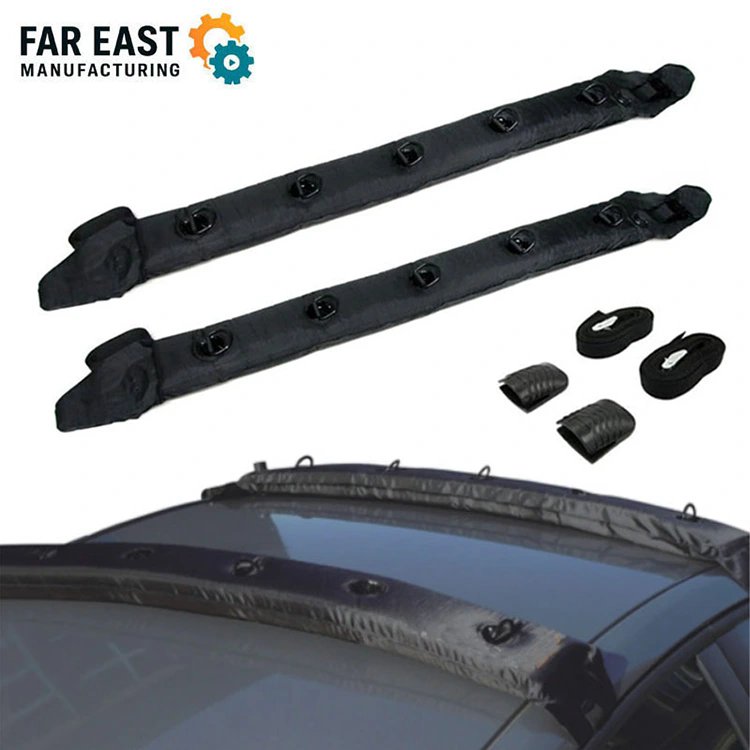
Table of Contents
- 1. What Are Roof Racks?
- 2. How Do Roof Racks Work?
- 3. Why Are Roof Racks Important?
- 4. Key Features and Technical Specifications
- 5. Types of Roof Racks
- 6. How to Choose the Right Roof Rack
- 7. Installation and Maintenance Tips
- 8. Frequently Asked Questions
- 9. Conclusion
1. What Are Roof Racks?
Roof racks are mounted frameworks installed on the roof of a vehicle, designed to carry additional cargo, luggage, sports equipment, or even bicycles. They increase a vehicle's carrying capacity without compromising interior space, providing flexibility for travel, outdoor activities, and commercial applications.
Far East offers high-quality roof racks built with durable materials, ensuring both functionality and safety for a wide range of vehicles.
2. How Do Roof Racks Work?
A roof rack works by distributing the weight of cargo evenly across the roof structure of the vehicle. Modern roof racks come with adjustable crossbars, mounting brackets, and locking mechanisms that secure loads while minimizing aerodynamic drag.
- Crossbars provide support and distribute weight evenly
- Mounting brackets secure the rack to factory roof rails or fixed points
- Locking systems prevent theft and accidental detachment
- Optional accessories enable transport of specific items such as skis, kayaks, or cargo boxes
3. Why Are Roof Racks Important?
Roof racks solve several customer pain points, especially for those who frequently travel or transport bulky items. Benefits include:
- Increased Storage Capacity: Carry luggage, sports equipment, or camping gear externally.
- Enhanced Safety: Properly secured cargo reduces risk inside the vehicle.
- Improved Vehicle Organization: Interior space remains uncluttered for passengers.
- Versatility: Adaptable to different types of cargo and activities.
For outdoor enthusiasts, a reliable roof rack can make all the difference in convenience and safety during trips.
4. Key Features and Technical Specifications
| Feature | Description |
| Material | Aluminum or steel construction for strength and corrosion resistance |
| Weight Capacity | Varies by model; typically 75–220 kg depending on vehicle |
| Crossbar Design | Aerodynamic or flat bars for reduced drag |
| Compatibility | Fits most vehicles with factory roof rails or fixed mounting points |
| Locking Mechanism | Secure locks to prevent theft and cargo slippage |
| Accessories | Supports cargo boxes, bike mounts, kayak carriers, and more |
| Finish | Powder-coated for durability and weather resistance |
5. Types of Roof Racks
Selecting the appropriate type of roof rack depends on the intended use and vehicle configuration.
- Factory Rail Roof Racks: Attaches directly to pre-installed rails on the vehicle roof.
- Raised Rail Roof Racks: Adjustable for vehicles with elevated side rails.
- Flush Rail Roof Racks: Sleek design integrated with the vehicle roof.
- Crossbar-Only Systems: Allows custom accessory mounting without full roof frame.
- Basket-Style Roof Racks: Ideal for irregular-shaped cargo or large loads.
6. How to Choose the Right Roof Rack
Choosing the right roof rack requires careful consideration of vehicle type, cargo requirements, and driving conditions.
- Vehicle Compatibility: Check roof type, weight capacity, and attachment points.
- Load Requirements: Estimate the average cargo weight and dimensions.
- Durability: Prefer rust-resistant materials and sturdy construction.
- Accessory Compatibility: Ensure the rack supports required mounts.
- Ease of Installation: Consider models with simple mounting brackets and instructions.
7. Installation and Maintenance Tips
Proper installation and regular maintenance ensure safety and longevity.
- Follow the manufacturer’s instructions carefully
- Check and tighten bolts and locks regularly
- Clean and lubricate moving parts to prevent rust
- Do not exceed weight limits specified for your vehicle
- Use cargo straps and locks for added security
8. Frequently Asked Questions
Q1: Can I install a roof rack on any vehicle?
Most vehicles with factory or aftermarket roof rails can accommodate a roof rack, but checking specifications and compatibility is essential.
Q2: How much weight can a roof rack hold?
Weight capacity varies by model, typically between 75 kg and 220 kg. Exceeding limits can damage the vehicle or compromise safety.
Q3: Will a roof rack affect fuel efficiency?
Some aerodynamic drag is inevitable, but choosing a low-profile design minimizes impact on fuel consumption.
Q4: Are roof racks secure against theft?
High-quality racks include locking mechanisms for bars and accessories to reduce theft risk.
9. Conclusion
Roof racks are practical, versatile, and essential for anyone needing additional cargo space or outdoor equipment transport. By selecting the right type and following proper installation and maintenance practices, drivers can enjoy enhanced safety, convenience, and utility.
Far East provides durable and adaptable roof rack solutions designed to meet diverse customer needs. For reliable products and expert guidance, contact us today to find the ideal roof rack for your vehicle and ensure a safer, more convenient travel experience.