Abstract
A vacuum cleaner has evolved from a simple household appliance into a critical cleaning solution for residential, commercial, and industrial environments. Modern users often face challenges such as inefficient dust removal, high noise levels, limited durability, and concerns about hygiene and maintenance. This article explores how a vacuum cleaner addresses these pain points through technology, design, and application adaptability. By understanding core working principles, key components, selection criteria, and real-world use cases, buyers can make informed decisions and achieve cleaner, healthier spaces with long-term value.
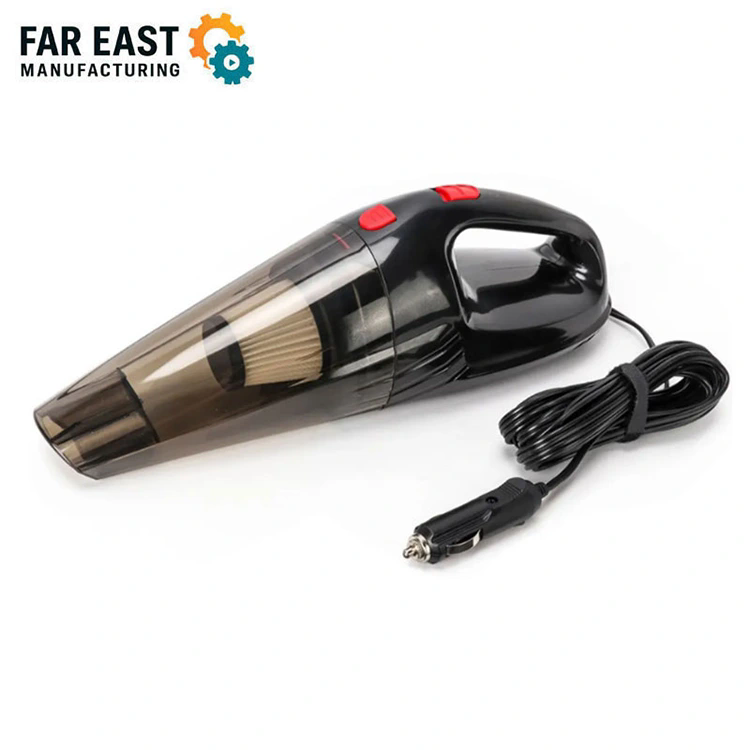
Table of Contents
- Overview and Cleaning Challenges
- Outline of Key Topics
- How a Vacuum Cleaner Works
- Core Components and Their Functions
- Common Customer Pain Points and Practical Solutions
- Applications Across Different Environments
- Selection Criteria for Long-Term Reliability
- Maintenance and Operational Best Practices
- Frequently Asked Questions
- Conclusion and Business Contact
Overview and Cleaning Challenges
Dust, debris, allergens, and fine particles accumulate quickly in both living and working environments. Traditional cleaning methods such as sweeping or wiping often redistribute dust into the air, leading to secondary contamination and respiratory discomfort. In industrial or commercial settings, this problem becomes more serious due to larger floor areas, heavier debris, and strict hygiene requirements.
A vacuum cleaner is designed to directly address these issues by creating controlled airflow that captures contaminants at the source. Instead of dispersing particles, it isolates and stores them, improving cleanliness efficiency and indoor air quality.
Outline of Key Topics
- Fundamental operating principles of a vacuum cleaner
- Key structural and functional components
- Customer-focused problem analysis
- Practical application scenarios
- Guidelines for selection and maintenance
How a Vacuum Cleaner Works
A vacuum cleaner operates on the principle of pressure difference. When the motor runs, it drives a fan that lowers air pressure inside the unit. Higher-pressure air from the surrounding environment rushes in through the intake nozzle, carrying dust, dirt, and debris along with it. These particles are then separated and collected in a dust container or filtration system.
This controlled airflow ensures consistent suction performance. Advanced designs optimize air channels to minimize energy loss, allowing effective cleaning even on carpets, hard floors, or uneven industrial surfaces.
Core Components and Their Functions
| Component | Primary Function |
|---|---|
| Motor Unit | Generates suction power and airflow |
| Filtration System | Captures fine particles and prevents re-release |
| Dust Container or Bag | Stores collected debris for safe disposal |
| Nozzle and Attachments | Adapt cleaning to different surfaces and corners |
| Housing Structure | Protects internal components and reduces noise |
Common Customer Pain Points and Practical Solutions
- Inconsistent Suction: Optimized airflow design and stable motor output ensure continuous performance.
- Dust Leakage: Multi-layer filtration systems reduce secondary pollution.
- High Noise Levels: Improved insulation and balanced motor structures lower operational noise.
- Frequent Maintenance: Modular components simplify cleaning and replacement.
- Limited Application Range: Interchangeable accessories support multiple scenarios.
Applications Across Different Environments
Vacuum cleaners are no longer limited to household use. Their adaptability allows them to serve various industries and environments effectively.
- Residential Spaces: Daily dust removal, pet hair control, and allergen reduction.
- Commercial Facilities: Offices, hotels, and retail areas requiring consistent cleanliness.
- Industrial Sites: Workshops and warehouses handling heavy debris and fine particles.
- Healthcare and Education: Controlled hygiene environments where cleanliness standards are critical.
Selection Criteria for Long-Term Reliability
Choosing the right vacuum cleaner requires evaluating both performance and durability factors. Buyers should consider:
- Suction stability under continuous operation
- Quality of filtration materials
- Ease of maintenance and part replacement
- Compatibility with intended usage scenarios
- Manufacturer experience and production standards
Manufacturers such as Far East emphasize structural integrity and consistent performance to meet long-term operational demands across diverse markets.
Maintenance and Operational Best Practices
Regular maintenance extends equipment lifespan and preserves performance. Recommended practices include:
- Cleaning or replacing filters at scheduled intervals
- Inspecting hoses and seals for blockages
- Emptying dust containers before reaching capacity
- Storing equipment in dry, stable environments
Frequently Asked Questions
What determines the effectiveness of a vacuum cleaner?
Effectiveness depends on airflow efficiency, filtration quality, and compatibility with the cleaning surface.
How often should filters be replaced?
Replacement frequency varies by usage intensity and environment, but routine inspection is recommended.
Can one vacuum cleaner handle multiple applications?
Yes, with appropriate attachments and power configuration, a single unit can serve different environments.
Conclusion and Business Contact
A vacuum cleaner is a strategic cleaning solution that directly addresses modern hygiene and efficiency challenges. By understanding its working principles, components, and application scope, buyers can achieve better results while reducing operational effort. With manufacturing expertise and application-driven design, Far East continues to deliver reliable vacuum cleaner solutions tailored to evolving market needs.
For customized solutions, technical specifications, or bulk procurement inquiries, please contact us to explore how the right vacuum cleaner can support your cleaning objectives.