Article Abstract
A car horn is a critical safety component that allows drivers to communicate warnings, avoid potential collisions, and maintain awareness in complex traffic environments. However, many vehicle owners struggle to select the right car horn due to differences in sound output, durability, installation compatibility, and regulatory considerations. This article provides a comprehensive, practical guide to choosing a car horn that balances safety, reliability, and performance. It addresses common customer pain points, explains key technical parameters, and offers clear selection criteria to support informed purchasing decisions.
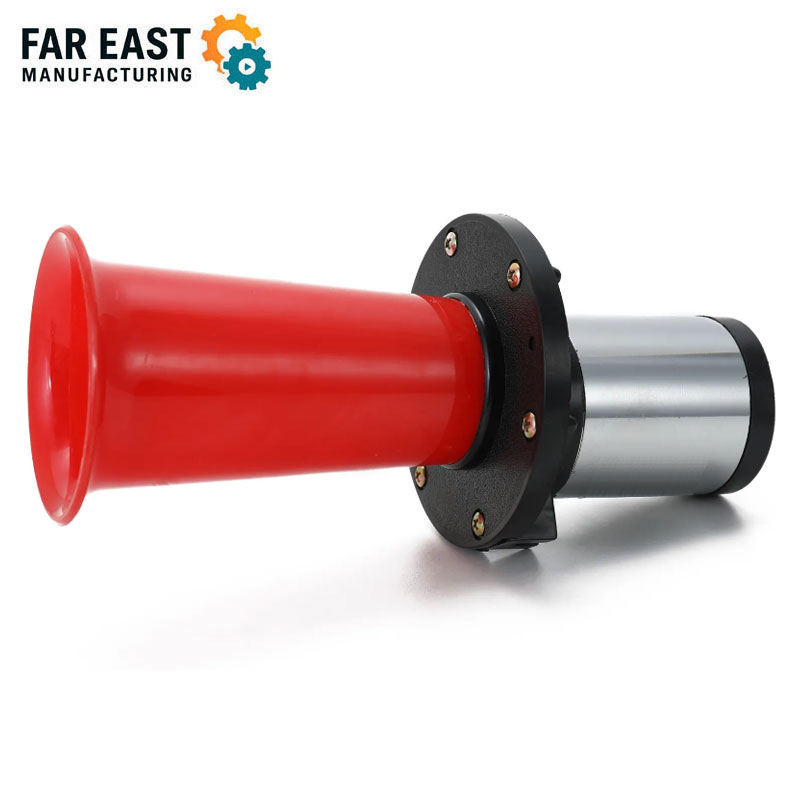
Table of Contents
- Outline of Key Topics
- Understanding the Role of a Car Horn
- Common Problems with Low-Quality Car Horns
- Key Factors to Consider When Choosing a Car Horn
- Types of Car Horns and Their Applications
- Technical Parameters Explained
- Installation and Compatibility Considerations
- Maintenance and Longevity
- Frequently Asked Questions
- Conclusion and Contact Information
Outline of Key Topics
- Why car horns are essential for road safety
- Typical issues faced by drivers with poor horn performance
- Sound level, tone, and reliability as decision criteria
- Comparison of major car horn types
- How to evaluate specifications and materials
- Long-term value and supplier support
Understanding the Role of a Car Horn
A car horn is designed to provide an immediate and recognizable audible warning. In urban traffic, highways, and parking environments, it serves as a non-verbal communication tool between drivers, pedestrians, and cyclists. A well-designed car horn produces a clear and stable sound that can cut through ambient noise without being unnecessarily harsh.
Beyond basic signaling, modern car horns contribute to overall vehicle safety systems. Their reliability becomes especially important in emergency situations, where delayed or weak sound output may fail to alert others in time.
Common Problems with Low-Quality Car Horns
Many customers encounter performance issues after purchasing low-grade or incompatible car horns. These problems often lead to dissatisfaction, safety risks, and additional replacement costs.
- Insufficient sound pressure, making the horn ineffective in traffic
- Unstable or distorted tone after short-term use
- Poor resistance to moisture, dust, and temperature changes
- Short service life due to inferior internal components
- Complex installation caused by mismatched voltage or connectors
Key Factors to Consider When Choosing a Car Horn
Selecting the right car horn requires evaluating several technical and practical factors. These criteria help ensure the horn meets both functional needs and long-term reliability expectations.
| Factor | Why It Matters |
|---|---|
| Sound Level (dB) | Ensures the horn is audible in high-noise traffic environments |
| Tone Frequency | Affects how easily the sound is recognized and distinguished |
| Voltage Compatibility | Prevents electrical issues and ensures stable operation |
| Material Quality | Improves durability and resistance to corrosion |
| Environmental Protection | Supports consistent performance in rain, heat, and dust |
Types of Car Horns and Their Applications
Car horns are available in several designs, each suited to different driving conditions and vehicle types. Understanding these differences helps customers choose a horn that matches their usage scenario.
- Electric Disc Horns: Compact structure, stable sound output, widely used in passenger vehicles
- Snail Horns: Enhanced resonance and louder sound, suitable for urban and highway driving
- Air Horns: Extremely loud output, commonly used in trucks and special-purpose vehicles
For most passenger cars, electric disc or snail-type car horns provide a balanced combination of sound clarity, size, and ease of installation.
Technical Parameters Explained
Understanding basic specifications allows buyers to compare products objectively rather than relying on subjective descriptions.
| Parameter | Typical Range | Practical Meaning |
|---|---|---|
| Rated Voltage | 12V / 24V | Must match vehicle electrical system |
| Sound Output | 105–118 dB | Determines warning effectiveness |
| Operating Temperature | -40°C to +85°C | Ensures stable performance in extreme climates |
| Housing Material | ABS / Metal | Affects durability and corrosion resistance |
Installation and Compatibility Considerations
Even a high-quality car horn may fail to perform as expected if installation requirements are overlooked. Buyers should confirm mounting space, connector type, and current draw before installation.
Selecting a car horn designed for direct replacement can reduce labor time and avoid unnecessary wiring modifications. This is especially important for fleet operators and aftermarket distributors seeking efficiency and consistency.
Maintenance and Longevity
A reliable car horn requires minimal maintenance, but periodic inspection can extend its service life. Checking electrical connections, removing surface dirt, and ensuring proper mounting stability all contribute to long-term performance.
Products manufactured with high-quality diaphragms and sealed housings are less likely to suffer from sound degradation over time.
Frequently Asked Questions
Q1: How loud should a car horn be for daily driving?
For standard passenger vehicles, a sound level between 105 dB and 115 dB is generally sufficient to ensure audibility without causing unnecessary discomfort.
Q2: Can upgrading a car horn affect the vehicle’s electrical system?
If the horn matches the vehicle’s rated voltage and current capacity, it will not negatively impact the electrical system. Proper compatibility is essential.
Q3: How long does a quality car horn typically last?
A well-manufactured car horn can last several years under normal driving conditions, especially when built with corrosion-resistant materials.
Conclusion and Contact Information
Choosing the right car horn is a practical investment in driving safety, communication efficiency, and long-term reliability. By focusing on sound performance, durability, and compatibility, buyers can avoid common issues and achieve consistent results in real-world conditions.
Far East specializes in the development and manufacturing of reliable automotive components, including high-performance car horns designed for diverse applications. For detailed specifications, customized solutions, or professional guidance, please contact us through Far East to discuss your specific requirements and sourcing needs.