Transporting extra cargo can be challenging when your vehicle’s interior space is limited. Whether you're carrying luggage, bicycles, kayaks, camping equipment, ladders, or commercial goods, selecting the right roof rack system can significantly improve convenience, safety, and vehicle functionality.
Many vehicle owners face common concerns such as load capacity limitations, installation complexity, wind noise, durability, and long-term reliability. Understanding how roof racks work and choosing the correct system for your specific needs can help avoid costly mistakes while maximizing transportation efficiency.
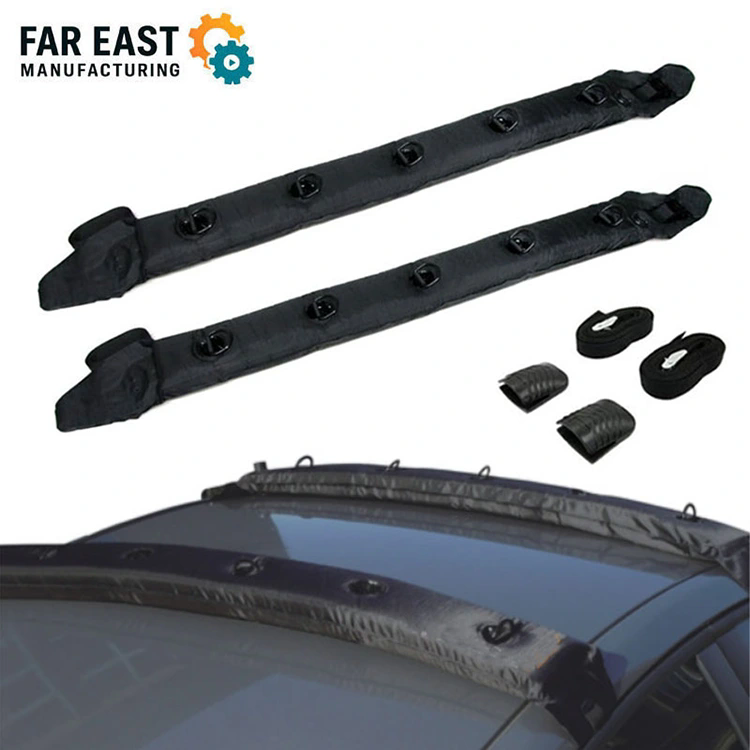
Article Summary
This guide explains how to select the ideal roof rack system based on vehicle type, cargo requirements, material construction, load capacity, safety standards, and installation considerations. It also covers common mistakes, maintenance tips, and practical recommendations for both personal and commercial applications.
Table of Contents
- Why Roof Racks Are Important
- Different Types of Roof Racks
- How to Select the Right Roof Rack
- Roof Rack Materials Comparison
- Understanding Load Capacity
- Safety Considerations
- Common Buying Mistakes
- Maintenance Tips
- Commercial and Industrial Applications
- Frequently Asked Questions
- Conclusion
Why Roof Racks Are Important
Roof racks provide additional carrying capacity without sacrificing passenger comfort or interior cargo space. They create a secure platform on top of a vehicle, allowing users to transport oversized items safely and efficiently.
Modern roof rack systems have become essential accessories for:
- Outdoor enthusiasts
- Family travelers
- Construction contractors
- Delivery service providers
- Commercial fleet operators
- Adventure sports participants
Instead of purchasing a larger vehicle, many drivers utilize roof racks to increase transportation flexibility while maintaining fuel efficiency and vehicle maneuverability.
Different Types of Roof Racks
Understanding the available roof rack configurations is the first step toward making an informed purchasing decision.
| Roof Rack Type | Best For | Advantages |
|---|---|---|
| Cross Bar Systems | General cargo | Versatile and easy to install |
| Cargo Baskets | Camping gear and luggage | Large storage area |
| Bike Carriers | Cycling transportation | Secure bicycle mounting |
| Kayak Racks | Water sports equipment | Specialized support design |
| Ladder Racks | Commercial vehicles | Heavy-duty performance |
| Platform Racks | Multiple cargo types | Maximum flexibility |
How to Select the Right Roof Rack
Choosing the correct roof rack requires evaluating several critical factors.
1. Identify Your Cargo Requirements
Different cargo types require different rack designs. A family carrying vacation luggage has very different needs compared to a contractor transporting ladders or pipes.
Consider:
- Weight of cargo
- Dimensions of cargo
- Frequency of use
- Weather exposure
- Loading and unloading convenience
2. Verify Vehicle Compatibility
Not every roof rack fits every vehicle. Before purchasing, confirm:
- Vehicle roof type
- Factory-installed side rails
- Roof load rating
- Mounting point availability
- Vehicle manufacturer recommendations
3. Consider Aerodynamics
Poorly designed roof racks can increase wind resistance, fuel consumption, and driving noise. Aerodynamic crossbars help reduce drag and improve overall driving comfort.
4. Evaluate Future Needs
Many users purchase a basic rack system only to discover they need additional accessories later. Modular systems provide flexibility for future upgrades such as bike mounts, cargo boxes, or kayak carriers.
Roof Rack Materials Comparison
Material selection directly affects durability, weight, corrosion resistance, and cost.
| Material | Strength | Weight | Corrosion Resistance | Typical Applications |
|---|---|---|---|---|
| Aluminum Alloy | High | Light | Excellent | Passenger vehicles |
| Steel | Very High | Heavy | Moderate | Commercial use |
| Stainless Steel | Very High | Heavy | Outstanding | Extreme environments |
For most users, aluminum roof racks offer the best balance of strength, weight reduction, and corrosion resistance.
Understanding Load Capacity
One of the most common mistakes is exceeding the vehicle’s roof load limit.
Load capacity is determined by:
- Vehicle roof structure
- Mounting points
- Roof rack design
- Dynamic load requirements
- Static load requirements
Dynamic load refers to weight carried while driving. Static load refers to weight supported when the vehicle is stationary.
Always follow the lower value between:
- Vehicle manufacturer roof rating
- Roof rack maximum load rating
Ignoring these limits can compromise vehicle handling and safety.
Safety Considerations
Safety should never be overlooked when transporting cargo on a vehicle roof.
Follow these best practices:
- Distribute weight evenly
- Secure all cargo using appropriate straps
- Inspect mounting hardware regularly
- Check cargo stability before every trip
- Avoid sudden braking and sharp turns
- Reduce speed in strong winds
- Perform routine maintenance inspections
Proper installation and regular inspections significantly reduce transportation risks.
Common Buying Mistakes
Many consumers encounter problems because they overlook critical purchasing factors.
Common mistakes include:
- Buying solely based on price.
- Ignoring vehicle compatibility.
- Overloading the rack.
- Choosing non-corrosion-resistant materials.
- Failing to account for future cargo needs.
- Using inadequate tie-down equipment.
- Skipping maintenance inspections.
Avoiding these mistakes can save money and improve long-term performance.
Maintenance Tips
Regular maintenance helps maximize service life and ensures consistent safety.
- Wash racks periodically to remove dirt and road salt.
- Inspect fasteners for loosening.
- Check rubber seals and protective coatings.
- Look for signs of corrosion.
- Lubricate moving components when necessary.
- Replace damaged accessories immediately.
A well-maintained roof rack system can provide years of reliable service under demanding conditions.
Commercial and Industrial Applications
Roof racks are not limited to recreational use. Many industries depend on robust roof rack systems to improve operational efficiency.
Typical commercial applications include:
- Construction equipment transport
- Utility service vehicles
- Telecommunications maintenance fleets
- Delivery operations
- Surveying equipment transportation
- Field service support vehicles
Commercial users typically prioritize durability, load capacity, weather resistance, and ease of installation when selecting roof rack systems.
Frequently Asked Questions
Can roof racks damage my vehicle?
When installed correctly and used within specified load limits, roof racks should not damage the vehicle. Improper installation or excessive loading can cause problems.
How much weight can a roof rack hold?
Capacity varies by vehicle and rack design. Always refer to both the vehicle manufacturer's roof rating and the rack manufacturer's specifications.
Do roof racks affect fuel economy?
Yes. Any roof-mounted equipment creates additional aerodynamic drag. Modern aerodynamic designs help minimize this impact.
Are aluminum roof racks strong enough for commercial use?
High-quality aluminum alloy systems can provide excellent strength while reducing overall vehicle weight. Many commercial fleets successfully use aluminum roof rack solutions.
How often should roof racks be inspected?
A visual inspection before every trip is recommended, along with a more comprehensive inspection at regular maintenance intervals.
Conclusion
Selecting the right roof rack involves more than simply finding a product that fits your vehicle. The ideal solution must balance load capacity, durability, safety, corrosion resistance, aerodynamics, and long-term versatility. By carefully evaluating your transportation requirements and choosing a quality roof rack system, you can improve cargo management, enhance travel convenience, and ensure reliable performance for years to come.
As a trusted manufacturer with extensive experience in metal fabrication and vehicle accessory production, Far East provides durable and reliable roof rack solutions designed to meet diverse transportation needs across personal, commercial, and industrial applications. If you are looking for high-quality roof racks that combine strength, safety, and long-term value, Far East is ready to support your project requirements. Contact us today to discuss your specifications and discover the ideal roof rack solution for your business or vehicle application.